
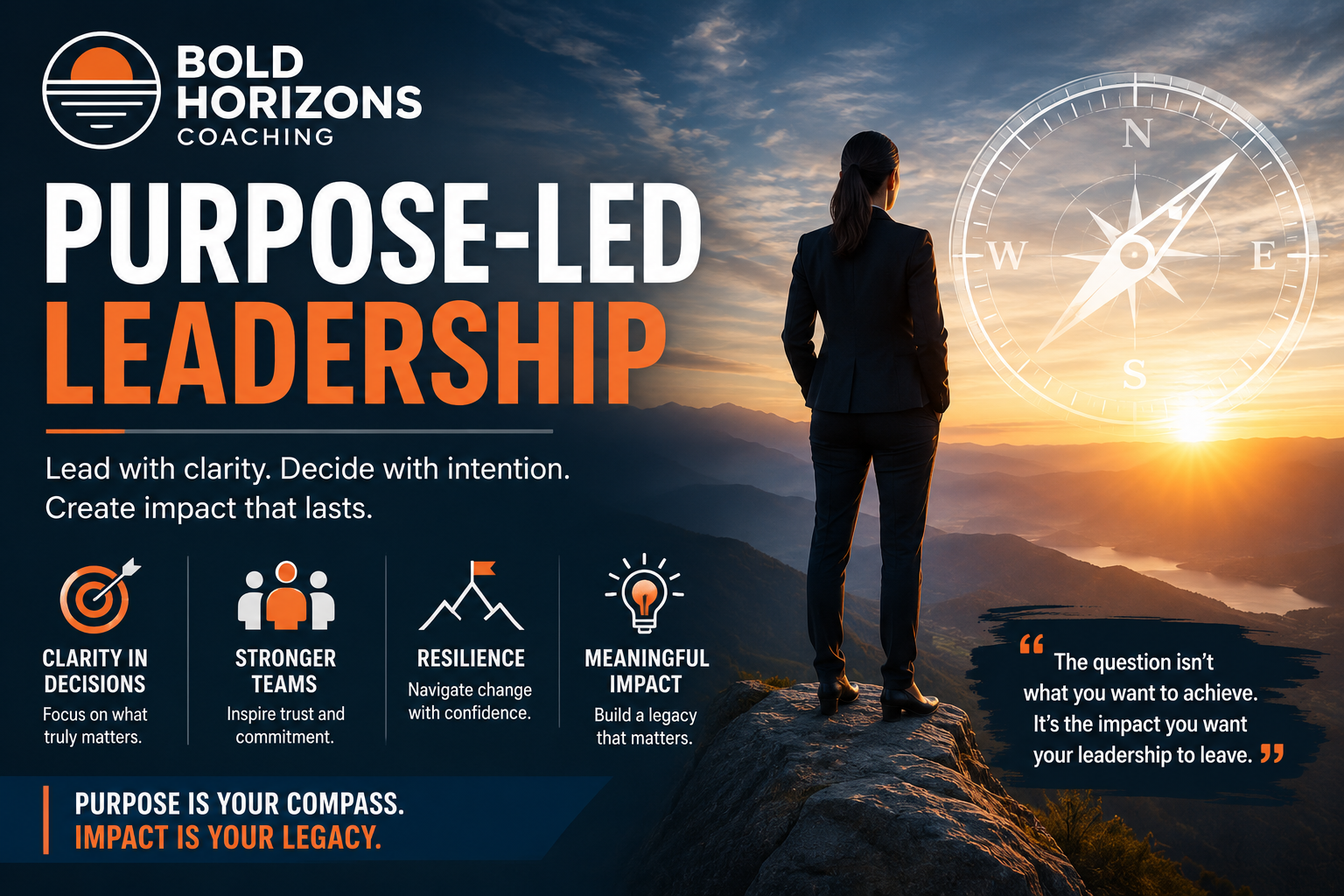
Purpose is not a slogan or a corporate value statement. It is the framework leaders use to make decisions, set priorities, and define what success is really supposed to create.
She had achieved nearly everything the organization had taught her to pursue. The VP title. The leadership team seat. The compensation, influence, and responsibility she once imagined would confirm she had made it. Yet, sitting alone in her office at 6:30 on a Tuesday evening, she found herself asking a question many successful professionals eventually face: Is this the impact I wanted my leadership to have?
That question is not a sign of failure. It is often a sign of leadership maturity. At a certain point, achievement alone is no longer enough. The more important question becomes whether a leader is building something that aligns with who they are, what they value, and the difference they want their work to make.
Why Purpose Matters More Than Ever
Today’s leaders are operating in environments defined by rapid change, competing priorities, employee fatigue, and constant pressure to deliver. In that context, purpose is not soft or sentimental. It is practical. It helps leaders decide what deserves attention, what can be released, and how to move forward when there is no perfect answer.
Without a clear sense of purpose, leaders can become highly productive without being truly effective. They attend the meetings, solve the immediate problems, respond to the urgent requests, and still feel disconnected from the larger reason their leadership matters. Purpose provides a leadership compass when demands are high and the path forward is uncertain.
Purpose Is Not the Same as a Goal
Goals are what leaders want to achieve. Purpose explains why those achievements matter. Goals may include revenue targets, promotions, growth plans, successful integrations, or stronger team performance. Purpose gives those goals meaning and direction.
This distinction matters because goals change. Titles change. Market conditions change. Teams change. Purpose creates continuity when everything else is shifting. It helps leaders avoid the trap of constantly chasing the next milestone only to discover that the achievement did not create the fulfillment, clarity, or impact they expected.
What Purpose-Led Leaders Do Differently
Purpose-led leadership is visible in everyday decisions, not just in inspirational language. Leaders with a clear purpose are better able to make difficult calls because they know what they stand for and what they are trying to build. They can say yes with conviction and no with integrity.
They also communicate change more effectively. When teams are uncertain, people look to leaders for more than instructions. They look for context, consistency, and confidence.
A leader grounded in purpose can connect the work in front of the team to a larger reason it matters, which creates commitment rather than simple compliance.
Purpose in Practice
It sharpens decision-making. When priorities compete, purpose helps leaders choose based on long-term value rather than short-term noise.
It strengthens communication. Purpose gives leaders language for explaining change, setting expectations, and helping teams understand why the work matters.
It builds resilience. Setbacks are easier to navigate when leaders are anchored in something larger than a single result, quarter, or performance review.
It shapes culture. Teams tend to mirror what leaders consistently value. Purpose-led leaders create cultures where people understand not only what must be done, but why it is worth doing well.
Where Coaching Can Help
Many leaders already know, at some level, what matters most to them. The challenge is that years of pressure, responsibility, and constant problem-solving can disconnect them from that clarity. Coaching creates the space to examine the assumptions, habits, and reactive patterns that may be driving leadership decisions without conscious choice.
Through a Core Energy Coaching perspective, leaders can become more aware of the energy and mindset they bring to challenges, conversations, and decisions. The goal is not to give leaders a purpose from the outside. It is to help them reconnect with the values, strengths, and commitments that make their leadership more intentional and effective.
A stronger question for leaders may not be, What do I want to achieve next? It may be,
What decisions would I make differently if I were fully aligned with the leader I want to be?
Purpose is not about discovering something entirely new. It is about aligning leadership with what matters most and making decisions from that place consistently. Leaders who do this create more than results. They create trust, direction, and impact that lasts. If you are ready to explore what purpose-led leadership could look like in your own work, consider reaching out and inviting Bold Horizons Coaching to support you on that journey.